


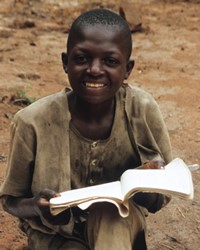

The Ndop-Bamunka, also called Muka, are an ethnic group in the Northwest Region of Cameroon, centered around the area near Ndop town and extending through surrounding highland villages. They speak the Ngiemekohke language. Their cultural heritage is rooted in village-based chiefdoms and deep clan networks that have shaped local identity, social organization, and customary practices over generations.
Daily life among the Ndop-Bamunka, Muka is organized around extended families and community cooperation. Agriculture forms the foundation of subsistence, with households cultivating crops such as maize, plantains, yams, beans, and cocoyams in nearby fields. Men and women often share responsibilities in planting, harvesting, and garden maintenance, while children contribute to household tasks and schooling where available. Traditional village governance often revolves around chiefs and lineage heads who help guide decisions, settle disputes, and oversee communal traditions.
Social life includes celebrations, ceremonies, and communal gatherings where music, dance, and oral storytelling play important roles in preserving cultural memory. Market days bring people together for trade and exchange, linking highland villages with broader regional commerce. Many Ndop-Bamunka families also engage in small-scale artisan crafts that supplement household income.
Christianity is the predominant religious identity among the Ndop-Bamunka, Muka, with most people participating in church life and worship through a mix of Roman Catholic, Protestant, and independent church traditions. Scripture portions and Christian teaching are accessible in languages the community understands, supporting both personal devotion and congregational discipleship.
Traditional spiritual ideas about ancestors, unseen forces, and customary rituals continue to influence cultural perspectives for some individuals and families, especially in ceremonies related to life-cycle events. However, formal Christian identity now shapes much of moral outlook, communal values, and public worship for many people in Ndop-Bamunka communities.
Although Christian affiliation is widespread, there remains a need for deeper biblical discipleship that helps believers live out Scripture in family relationships, community life, and cultural contexts. Pastors and church leaders would benefit from ongoing training, mentoring, and access to sound teaching resources that equip them to shepherd with clarity and compassion. Youth and family ministries that resonate with Ndop-Bamunka cultural rhythms will help foster mature faith across generations.
Economic pressures, rural livelihoods, and access to quality education and healthcare also affect families in the region. Supporting sustainable development and community initiatives helps create environments where spiritual growth and practical well-being can flourish together.
Pray that Ndop-Bamunka believers would grow in a deep and practical understanding of Scripture that renews thoughts, choices, and relationships.
Pray for church leaders to be equipped with wisdom, humility, and gospel clarity as they guide congregations.
Pray for unity, peace, and reconciliation within families, clans, and community networks.
Pray for the youth to be anchored in faith, confident in Christ, and effective in loving witness.
Pray that the Ndop-Bamunka church would be a beacon of hope and blessing to African peoples who have limited access to the gospel.
Scripture Prayers for the Ndop-Bamunka, Muka in Cameroon.
https://en.wikipedia.org/wiki/Grassfields_languages
https://www.ethnologue.com/language/buz
| Profile Source: Joshua Project |


